Plan Your Mont Blanc Hike
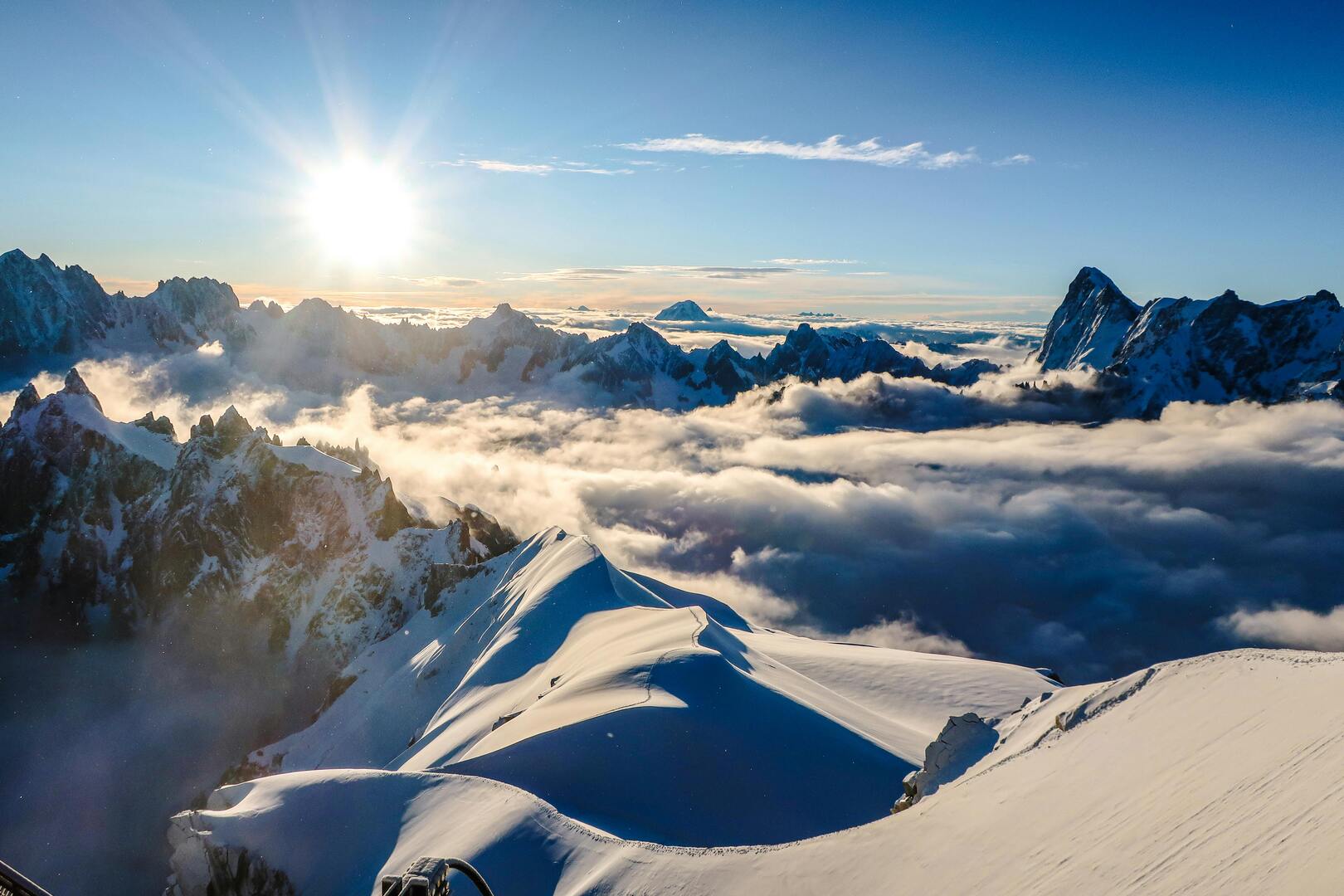
Europe’s highest peak , snow-capped ridges, alpine meadows, and sweeping views over Chamonix Valley and the French Alps.

Europe’s highest peak , snow-capped ridges, alpine meadows, and sweeping views over Chamonix Valley and the French Alps.
Plan access and guided options for Mont Blanc. Use the official park or climb site for permits, fees, and safety rules. Use a trusted partner for guided hikes, transfers, and day tours with mobile tickets. Confirm altitude, weather, and inclusions before you book.

Best for Chamonix lift status, valley trail ideas, and local mountain practicalities around Mont Blanc.
Useful for licensed guides, cable-car or transfer packages, skip-the-line park entry where offered, and flexible cancellation on many Headout listings.
Choose the official site for permits and park rules. Choose a partner tour when you want logistics handled (pickup, guide, timed entry) on a short trip.
Hand-picked Mont Blanc hikes and day tours on Headout. Prices and availability update on the partner site; confirm altitude, duration, and inclusions before you book.


Day Trip to Chamonix Mont Blanc with Cable Car & Mer de Glace Train Ride

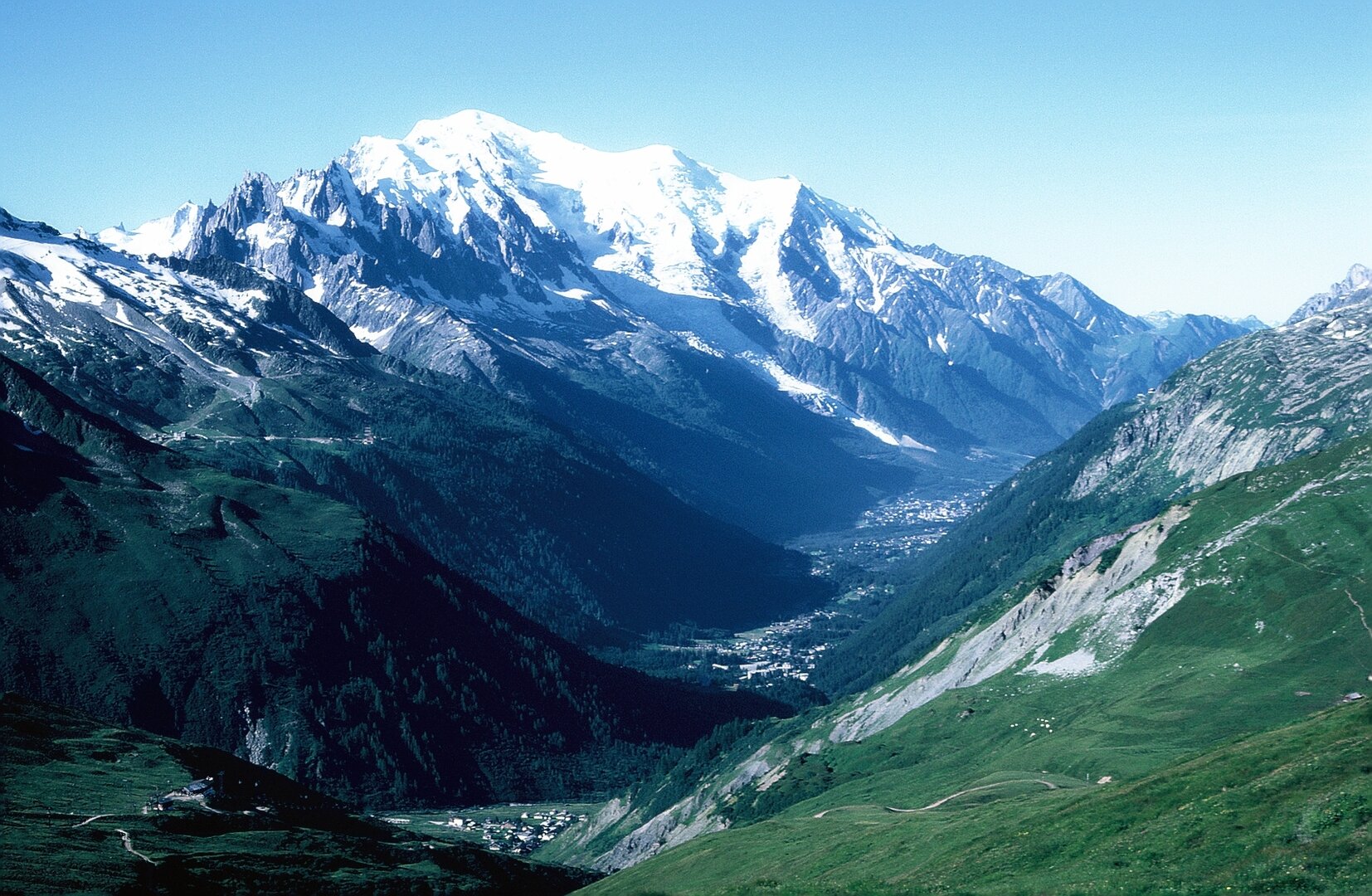
Stand beneath (or summit with a guide) the 4,806-meter Mont Blanc, with expansive views stretching across France, Italy, and Switzerland.
Spot chamois, ibex, marmots, and alpine wildflowers on trails that wind through high meadows and rugged mountain slopes.
Ride cable cars to Aiguille du Midi, look out over the Mer de Glace glacier, and photograph some of Europe’s most recognizable alpine scenery.
Mountain weather around Mont Blanc changes quickly. Check a local forecast the morning you hike and turn around if conditions drop.
Long approaches and busy viewpoints are safer and quieter with a dawn start.
Boots, layers, waterproofs, water, food, sun protection, and navigation, even on short valley walks.
Conditions change. Confirm trail status, weather, and access rules on chamonix.com before you go.
A highlight of hiking around Mont Blanc.
A highlight of hiking around Mont Blanc.
A highlight of hiking around Mont Blanc.
4 hours • high-alpine viewpoints • private guiding
10 hours • private transport • Chamonix & Mont Blanc viewpoints
High-altitude cable car • panoramic terraces • close-up Mont Blanc views
Historic rack railway • glacier viewpoints • classic Mont Blanc scenery
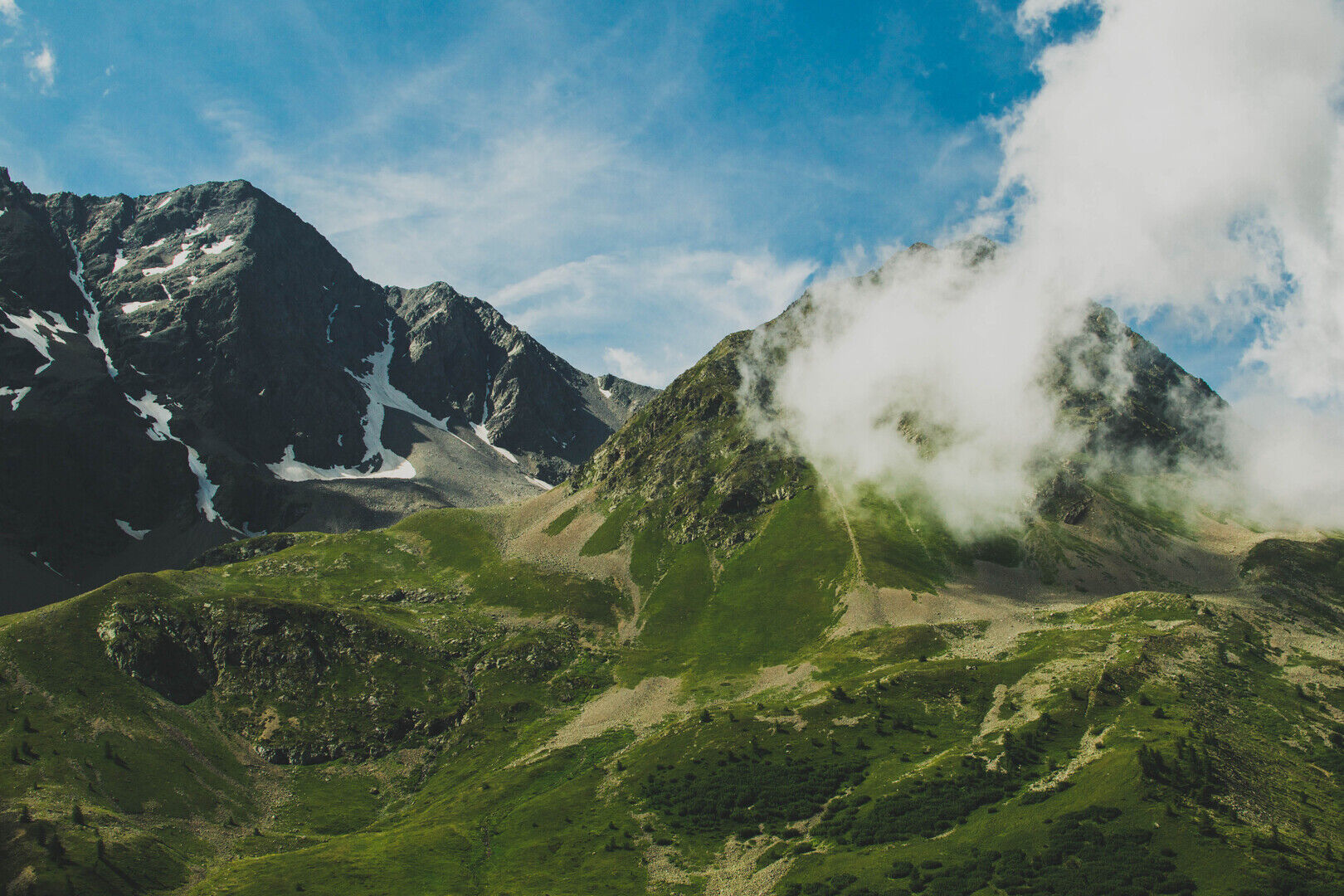

High-altitude cable car • panoramic terraces • close-up Mont Blanc views
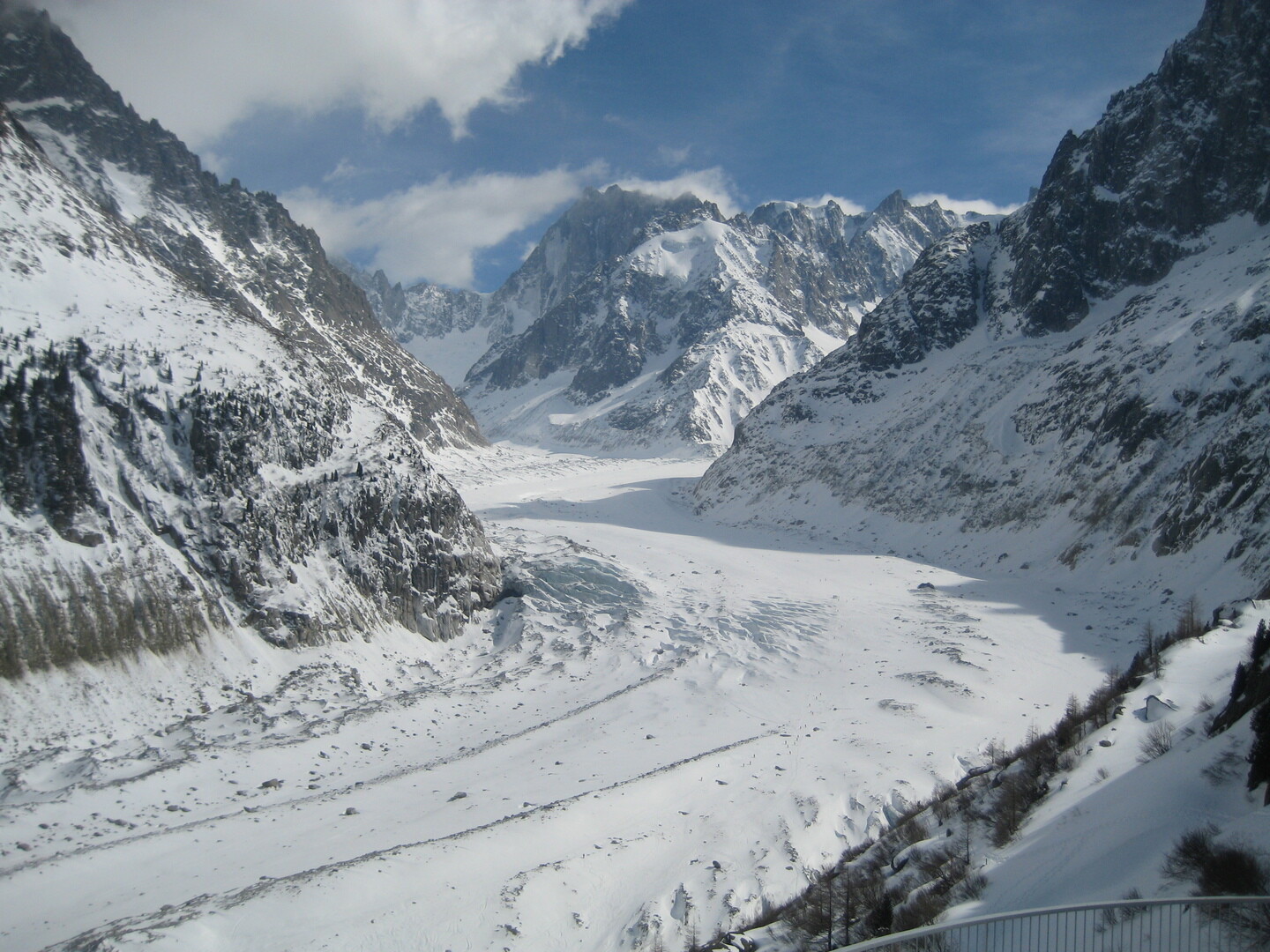
Historic rack railway • glacier viewpoints • classic Mont Blanc scenery
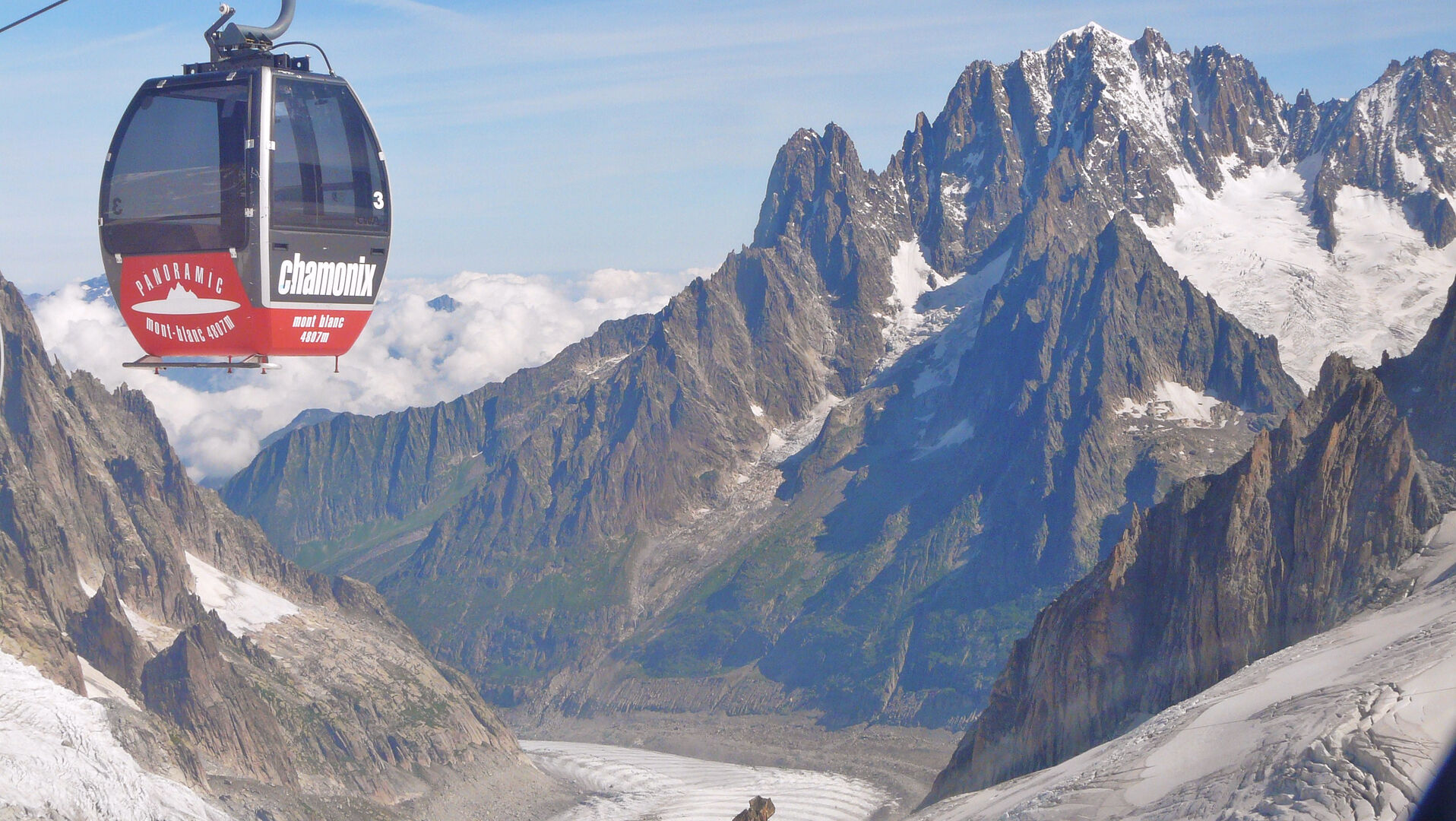
Two-stage cable car • dramatic ascent • views over Mont Blanc and surrounding peaks
What should I wear for hiking around Mont Blanc?
Wear sturdy hiking boots, moisture-wicking layers, a warm insulating layer, and a waterproof shell. Alpine weather can change quickly, even in summer.
Are the trails family friendly?
Some lower-elevation paths and viewpoints around Chamonix are suitable for families. Longer or higher routes, especially on glaciers or ridges, are best for experienced hikers with a guide.
Are there any fees to hike Mont Blanc?
There is no single park entry fee for Mont Blanc, but you may pay for lifts, trains, parking, or hut reservations. Guided ascents and technical routes have additional costs.
When is the best time to visit?
July to September usually offers the best hiking conditions, though snow and storms are still possible. Winter and spring require alpine skills and equipment for snow and ice.
Can I photograph the mountain?
Yes. Mont Blanc and the surrounding peaks offer spectacular views at sunrise and sunset. Stay on marked paths and respect private land, huts, and sensitive habitats.
Is Mont Blanc accessible?
Some viewpoints, lifts, and short paths around Chamonix are more accessible, but most mountain trails are steep and uneven. Check accessibility details locally before you travel.
Mont Blanc rises 4,806 meters above sea level and is one of the most iconic mountains in the world. The massif straddles France, Italy, and Switzerland, with Chamonix at its foot and glaciers such as the Mer de Glace flowing from its slopes.
The area is a playground for hikers, mountaineers, and skiers, with trails that cross alpine meadows, rocky ridges, and high viewpoints. Weather changes quickly at altitude, so good preparation and, for technical routes, experienced guides are essential.